.webp)
Reading time: 15m 23s
When you think of Denmark, what comes to mind?
Danish Hygge, beautiful blonde women, Nicklas Bendtner, Legos, Vikings, a consistent podium spot in the happiest countries in the world rankings?
What most people don’t picture is a century-long animal products industry, more specifically, Danish pigs.
As such, it is pretty hard to understand how the Danish pig industry could create capabilities that compound and eventually become enormously valuable in a market that didn’t exist a few decades ago.
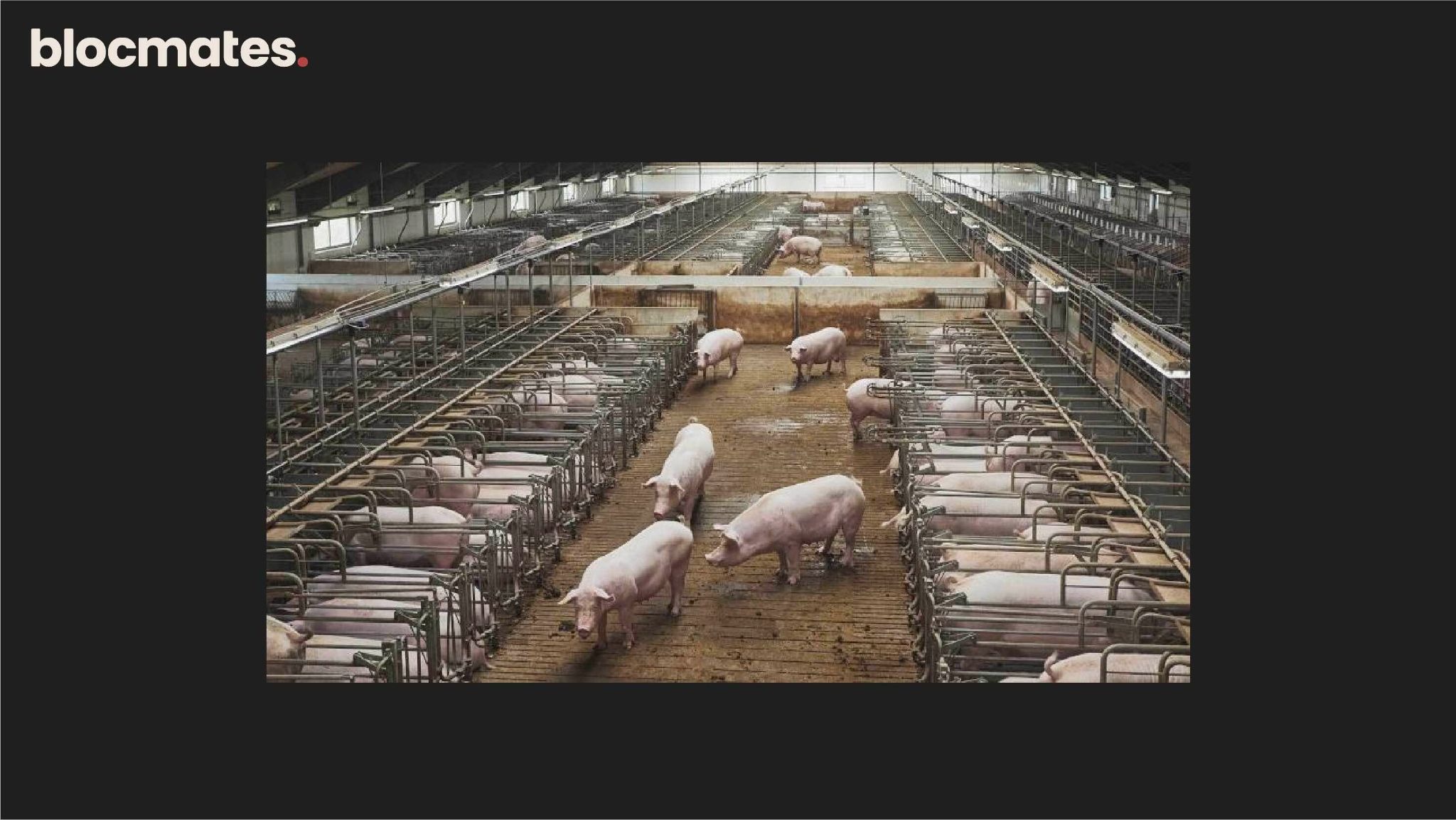
To pull you through this exciting piece of research, we will start with the most popular byproduct of Danish pigs - the bacon.
Heading to KBW, TOKEN2049, or a well-deserved holiday?
Flights, hotels, taxis, dinners, coffees, the spending adds up quickly.
Instead of off-ramping crypto to your bank before the trip, deposit directly into Plasma One from supported chains and spend from there.
And if you’re going to spend thousands traveling anyway, you might as well earn while doing it.
Load up Plasma One before you fly and make it your card for the week.

Danish bacon and English breakfast romance
Across the North Sea in England, the Brits had their own claim to fame - the legendary full English breakfast.
A glorious pile-up of separately cooked goodies, from eggs and sausages to beans, tomatoes, mushrooms (if you are weird), and of course, the bacon.

But Britain didn’t really produce much of its own bacon despite being the largest global consumer of back bacon globally (none of that streaky American shit). So they looked to their neighbors in Denmark to fill their bellies and sarnies each morning.
Denmark had developed an extremely sophisticated agricultural export economy by the late 19th century - its pig farms, of course, were a significant part of this rapidly expanding industry.
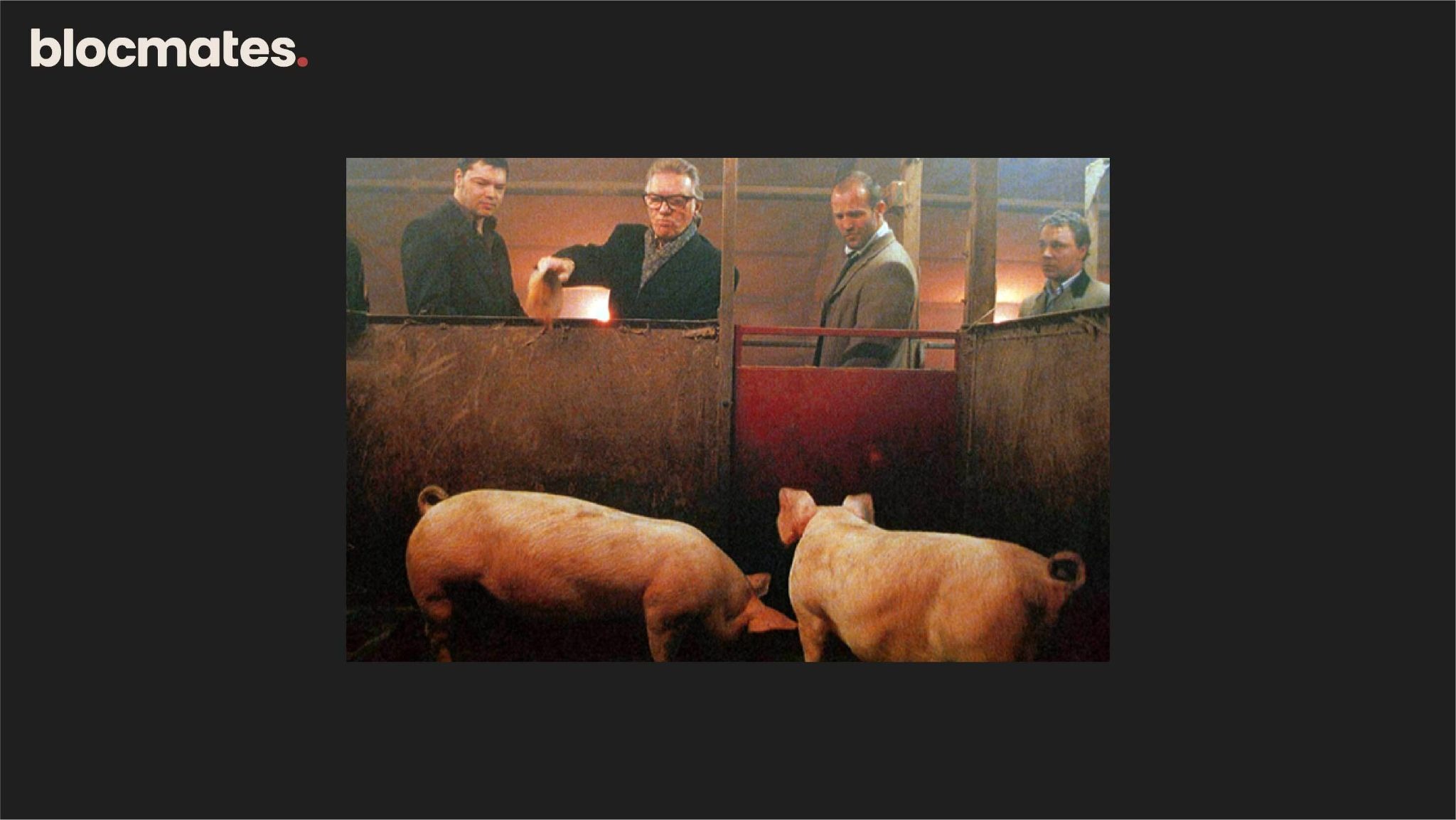
So much so that today, Denmark is the world’s largest exporter of live pigs, with over $2.5 billion worth of exports in 2025.
One of its largest bacon factories, which also serves as Europe's largest meat processing plant, processes 20,000 pigs a day in a highly mechanized, automated operation, with products shipped to China, Britain, and many parts of the world.
The Danes had understood the British market so well that they became experts at keeping a specific breed of pig called the “Danish Landrace.”
Which answers the question: why didn’t the Brits just get bacon from elsewhere?
The body of the Danish Landrace (particularly long body) was specifically suited to producing the back bacon British consumers wanted.
And so, British breakfast culture helped shape the genetics of a Danish pig that would later supply byproducts and other biological material for an entirely different industry.
From pans to pancreas
Around the time Danish pigs were becoming a household staple across Europe, something else was happening.
Scientists were on the hunt for an effective treatment for type-1 diabetes, which was a diagnosis no one liked to be told they had, as it effectively meant a death sentence at the time.
A likely death sentence until insulin was discovered by Canadian and Scottish medical scientists, who found that the pancreases of animals, specifically pigs and cows, could produce insulin to treat diabetes in humans.
This led to the commercialization of pig insulin extracted from pig pancreases, which was similar to human insulin and was approved as a medicine.
However, insulin wasn’t made with just a few pancreases from the slaughterhouse.
For the remedy to thrive, it needed an industry that could produce pancreas en masse, because of the following reasons:
- Pig pancreases are generally small
- Insulin extracted from them degrades quickly after slaughter
- The extraction process wasn’t exactly the neatest job on the planet
So, the real bottleneck was consistently and cheaply obtaining enough fresh animal tissue and getting it into a processing facility before it spoiled.
Thankfully, Denmark had a rather convenient head start in this regard.
Thanks to the British appetite for bacon, Denmark was producing a lot of pigs and had built an unusually dense, industrialized pig-slaughtering system to feed the British bacon trade.
Even better, many Danish slaughterhouses operated under what were called the “andelsslagterier,” in which farmers collectively owned the facilities.
So there was an organized flow in which pigs moved from farms to slaughterhouses. After which pancreas, as a byproduct of slaughterhouses, moved to medical facilities.
However, to further understand how this all lines up to the billion-dollar Ozempic market, we must make a few more stops at some headlines, with the next being an important couple that brought insulin back home from faraway Canada, where it was first discovered to treat type-1 diabetes, to Denmark.
The Kroghs
August and his wife, Marie Krogh, were both Danish medical experts. August was so good in his field as a physiologist that he had won the 1920 Nobel Prize in Physiology for his work on Capillaries.

However, and I’m not kidding with this, you can look it up yourself, his wife, also a physician, was diabetic.
And so, having both heard, while on a trip to North America, that some scientists had discovered insulin and that animal insulin could treat diabetes in humans, they decided that August would travel to Canada.
August arrived in Toronto and negotiated for permission to bring the technique for producing insulin back to Denmark.
When they arrived in Denmark, the couple teamed up with other medical scientists and industrial experts, such as Hans Christian Hagedorn and… wait for it… another August, August Kongsted, to ensure that the broader Danish type-1 diabetic community could access insulin.
This partnership eventually led to something very important in this grand story - it led to the birth of Nordisk Insulinlaboratorium.

With the establishment of Nordisk, August went from sick wife to big pharma business, and as you would expect with business booming, it was a matter of time before some former Nordisk employees (brothers, Harold and Thorvald Pederson) decided to create a competing company called “Novo Teraeutisk Laboratorium,” birthing the famous Novo vs. Nordisk rivalry.
This rivalry lasted over 60 years, pushing Danish diabetes research to the forefront, improving treatment duration, building infrastructure, and creating patents. Eventually, Novo and Nordisk merged in 1989.
While Danish pig farms were among the biggest beneficiaries, the industry eventually appeared to be moving beyond its original dependence on pig pancreas, but pigs were still gonna be relevant.
You see, when recombinant human insulin arrived in the early 1980s, companies such as Eli Lilly and Genentech moved towards producing human insulin using recombinant DNA technology and microorganisms such as bacteria and yeast.
However, Novo took a different approach. Novo’s access to porcine insulin (pig insulin) led it to develop a semisynthetic process that converted pig insulin into human insulin by changing a single amino acid.
Both innovations consequently led to a gradual reduction in dependence on pig pancreas for insulin.
Novo and Nordisk had acquired years and years of expertise in endocrinology, peptide chemistry, protein engineering, diabetes, manufacturing, purification, injection, regulatory, clinical infrastructure, and much more.
For example, one of the things Novo discovered while producing insulin was that the same pig pancreas contained useful enzymes, including trypsin.
And instead of throwing the leftovers away, Novo began extracting and selling the enzymes.
That little side business eventually grew into industrial enzymes used across food, detergents, agriculture, biofuels, and manufacturing, and eventually became Novozymes - a separately listed company and one of the world’s largest industrial biotech businesses.
However, to truly understand how everything Novo and Nordisk acquired as a result of their insulin quest later became the building blocks of the world's most popular weight-loss product today, we have to look into a different type of diabetes.
Glucagon-like peptide-1 (GLP-1)
After the Second World War, something else started creeping up, type-2 diabetes.
Now, this was a very different beast from type-1.
For type-1 diabetes, the immune system basically goes rogue and destroys the pancreas’s insulin-producing beta cells (it’s an auto-immune disease).
Type-2 is more like the body starts ignoring insulin because the receptors have been fried from too much insulin exposure, mainly due to excessive blood glucose levels over a number of years.
The pancreas is still making insulin, sometimes a lot of it, but the body’s cells stop responding to it properly. So glucose has a harder time getting out of the bloodstream and into the cells where it’s needed.
The result is that your blood sugar stays stubbornly high.
And the pancreas isn’t just sitting there watching this happen. It senses the rising blood glucose and basically says, “Fine, I’ll make more insulin.” So it pumps out even more.
For a while, this can compensate for the insulin resistance. But if that cycle continues for years, the beta cells will eventually start to struggle and lose some of their ability to produce insulin.
So you can end up with both insulin resistance and reduced insulin production.
That’s also why insulin can be used to treat type-2 diabetes, but it usually isn’t the first move.
Doctors will often start with things like: "Hey buddy... go to the gym a little more, take brisk walks for 30 minutes, eat a more balanced diet, or stop smoking,” as well as suggest other diabetes medications, depending on the person and how advanced the disease is.
However, doctors desperately needed a new medicine to treat this new type.
An interesting observation in the 1960s began to open up a pathway to what this new drug would look like.
The observation was that oral glucose raised insulin levels and lowered blood glucose more than intravenous glucose.
This interesting insight meant that something was happening whenever the gut processed glucose, signaling the pancreas to secrete insulin. That signal turned out to be a hormone called incretin.
Naturally, medical scientists began to dig into this hormone as a possible pathway to better treatment for type-2 diabetes. They began by testing proteins in the gut to stimulate insulin production.
One of the proteins that matched this stimulation was glucagon.
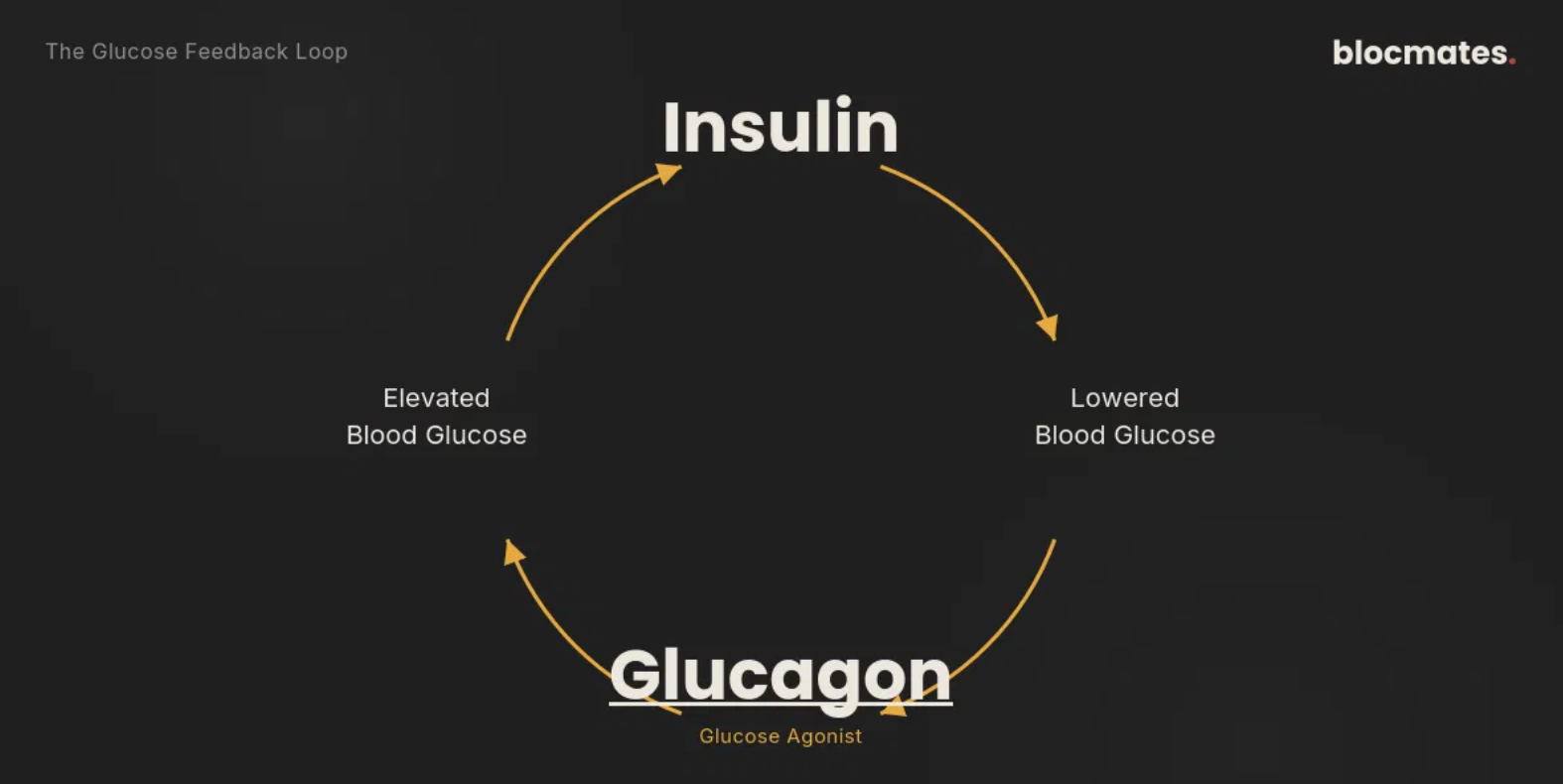
Glucagon raises blood glucose levels mainly by signaling the liver to break down stored glycogen and release more glucose.
Glucagon can also stimulate insulin secretion, particularly when blood glucose is elevated, as part of the body’s effort to prevent glucose from overshooting.
Voilà! They knew they had something here, but to begin testing, they had to use animals that produce this glucagon.
And as you would’ve guessed, this research led back to… the pigs.
But not only did it lead back to the pigs, but the research was also carried out by Danish scientists, including Jens Juul Holst.
They isolated the glucagon-like peptide-1 (GLP-1) 7-36 amide peptide from pig intestinal lining that corresponded to part of proglucagon (78-107) (the precursor to the glucagon hormone).
What they found was that it could potently stimulate insulin secretion from a perfused pig… *drumroll*… pancreas, which, if you remember, is useful because of its similarity to the human pancreas.
In other words, every time we ate, our gut released GLP-1 to help the pancreas pump out insulin and keep our blood sugar from going completely rogue.
But there was a problem.

Half-life
You see, it was indeed great that scientists had found a naturally occurring molecule in GLP-1 that could treat type-2 diabetes, but the other side of the story dampened the excitement.
GLP-1 disappeared almost as soon as it was produced. It has a plasma half-life of approximately 1-2 minutes because it is rapidly degraded by the enzyme dipeptidyl peptidase-4 (DPP-4).
The next logical question was: how could we make GLP-1 last longer than it did? How do we stop the body from degrading it so fast, so its effects last longer?
Remember Novo and Nordisk, the two companies that later merged to become Novo Nordisk, and had built up decades of expertise through rivalry in peptide engineering?
Well, let’s just say this is where Denmark's century-long unlikely collision between its pig and scientific research industries began to pay off.
Novo Nordisk had built up capacity in undertaking research on peptide hormones. Specifically, in the development of a method for attaching fatty acids to proteins, which caused the proteins to bind to albumin (the most common protein in human blood).
This created a chunkier molecule that wouldn’t be filtered out by the kidneys as quickly, causing it to remain in the body much longer.
The interesting thing about this, however, is that when these scientists at Novo Nordisk published a paper on this completely unrelated research, they noted that it had the capacity to “prolong the action profile of Peptide Drugs.”
No sooner than later, Novo Nordisk’s research team on GLP-1s, which at the time had only one scientist, Dr. Lotte Bjerre Knudsen, successfully applied its albumin research to identify GLP-1 binders.
And, keeping with the recurring farmyard animal in our story, multiple GLP-1 analogs were used in pigs to find the right sequence that could increase GLP-1’s half-life up to 10 hours.
The result was an increase in half-life from 2 minutes to a once-a-day dosage for type-2 diabetes treatment - they called it “Liraglutide.”
Liraglutide was sold to the public under the name Victoza.
However, something else was happening behind the scenes.
During further study, it was shown that animals on liraglutide ate significantly less, and even rats were starving themselves to death as a result of the drug, due to suppressed appetite.
This led researchers to wonder if the drug could also be used as a weight-loss drug.
After further clinical trials, Novo Nordisk submitted liraglutide for approval as a weight-loss drug in December 2013 and received FDA approval a year later, selling it under the name Saxenda in the US at a 3 mg dose, higher than the dose used for type-2 diabetes treatment.
From once a day to once a week
Novo Nordisk researchers began exploring the possibility of a different molecule that could last longer, increasing GLP-1 half-life from once a day to once a week.
To be honest, this came from a competitive market environment, as the US-based pharmaceutical company Eli Lilly developed a new molecule architecture called dulaglutide that enabled once-a-week dosing by linking two modified GLP-1 analogs to a human antibody fragment, thereby allowing it to resist DPP-4-mediated breakdown.
Novo Nordisk had to build on its liraglutide research but tweak a few things to improve efficiency and to find a molecule that would bind firmly to albumin and to GLP-1 receptors.
This research led to the development of a new molecule called semaglutide. Research into semaglutide also showed that it was a highly effective medication for type-2 diabetes, with better overall outcomes for patients than previous methods.
Novo Nordisk went ahead to market semaglutide under the name OZEMPIC.
Oh oh oh Ozempic oh oh!
Ozempic, containing semaglutide, was approved by the US FDA for type-2 diabetes in 2017. And of course, the drug blew up.
So much so that it was almost impossible to escape the famous David Paton’s Ozempic commercial song “oh oh oh Ozempic oh oh!” (Only in America)

But then researchers noticed something. The drug that had emerged from decades of research into, well… pigs, was doing something beyond controlling blood sugar.
Type-2 diabetic patients taking Ozempic were also losing a surprising amount of weight. At a weekly dose of 2 mg, around 40% of participants lost at least 10% of their body weight.
Novo Nordisk decided to begin clinical trials of the weight-loss drug semaglutide. Before trials were conducted, doctors had already begun prescribing Ozempic for weight loss, leading to hype that flooded all media, including social media.
By June 2021, the FDA had approved semaglutide for weight loss, leading Novo Nordisk to market it as Wegovy.
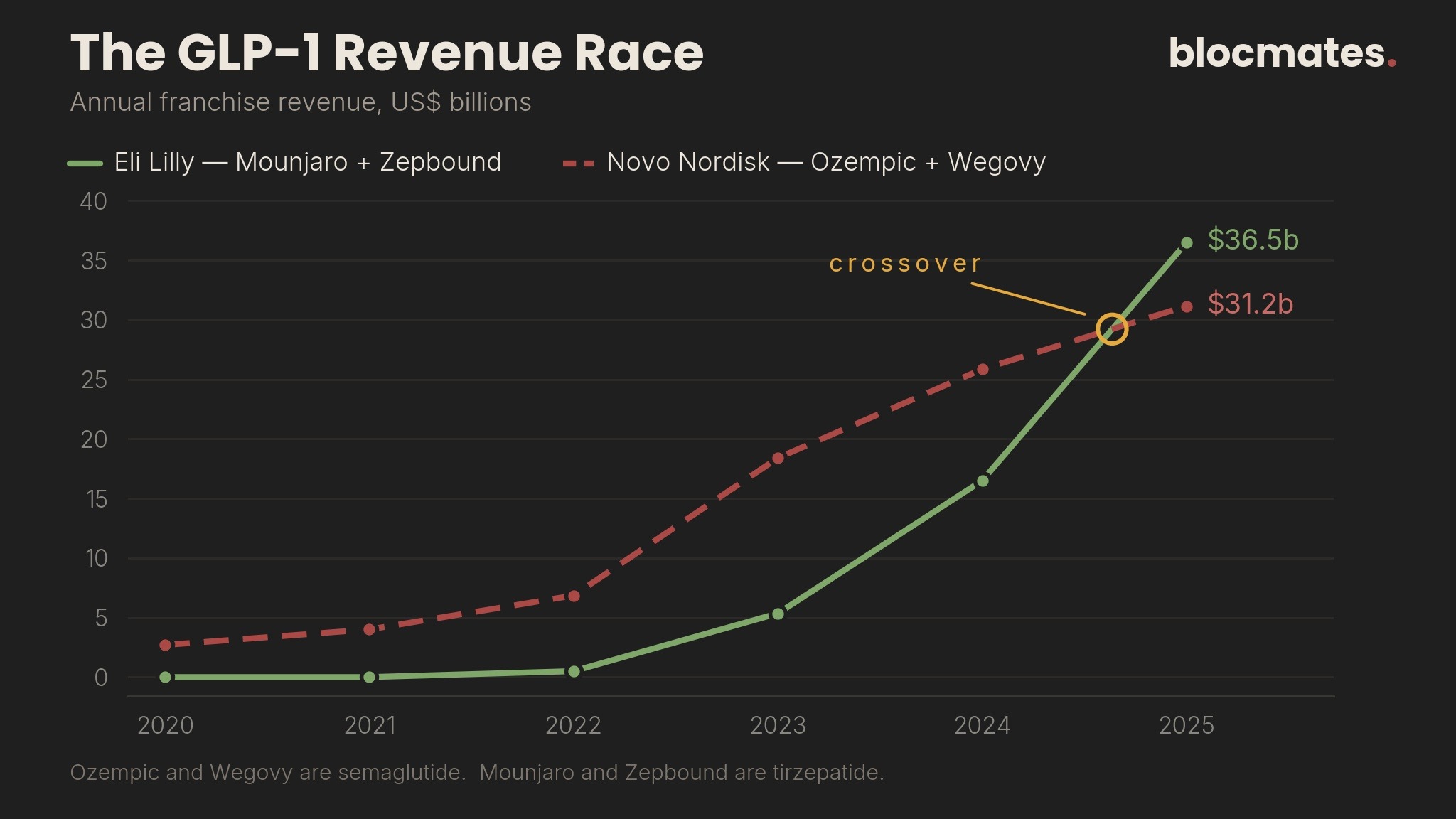
Ozempic and Wegovy became household names, while Eli Lilly was busy building its own obesity-drug empire with Mounjaro and Zepbound.
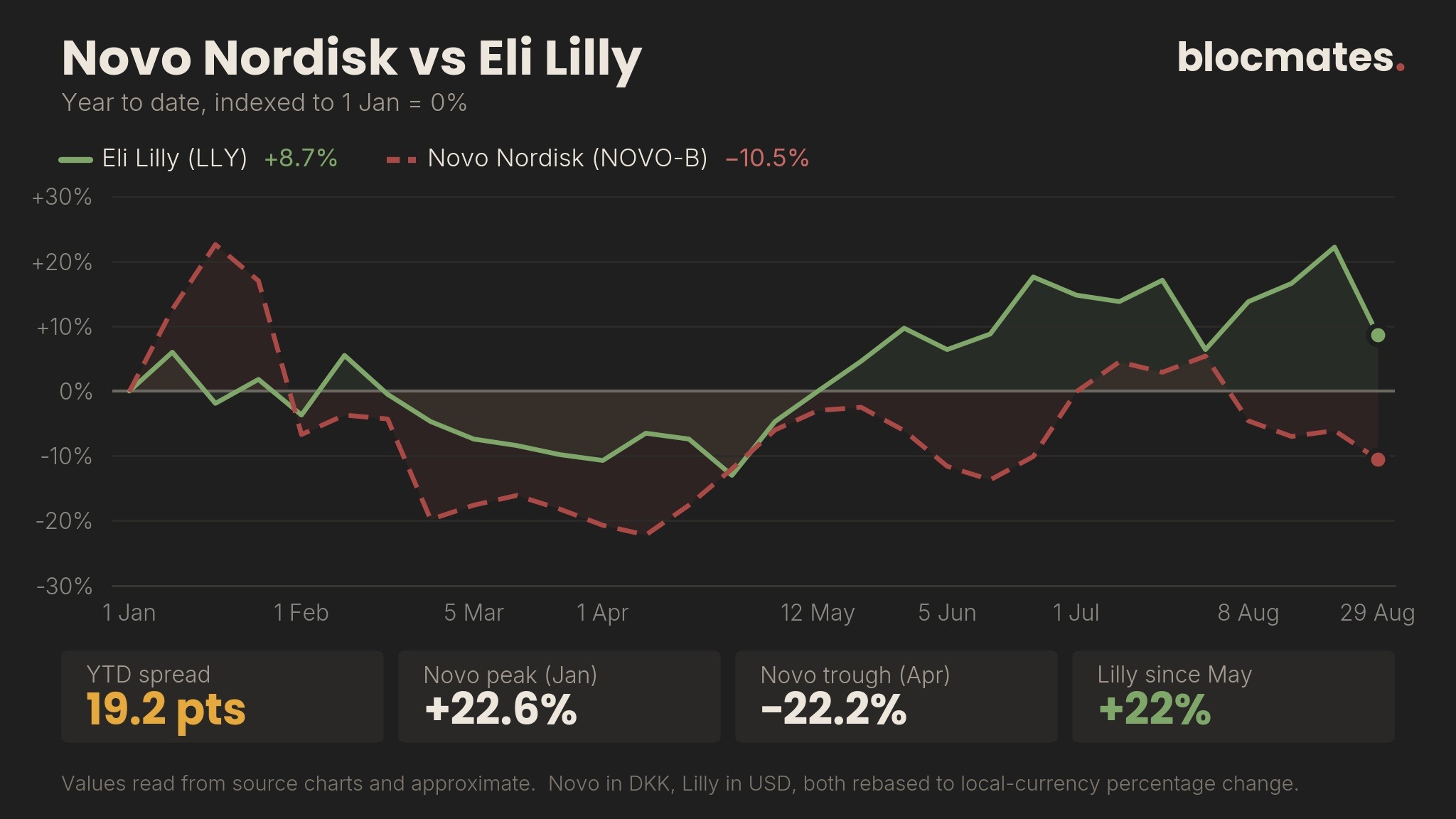
A Danish pharmaceutical company most people had probably never heard of was at the center of one of the biggest drug stories in the world, alongside America’s Eli Lilly.
Recent forecasts project the obesity drug market becoming a $100 billion market by 2035, which will place it as one of the rapidly rising markets in the world.
Ripple, not side effects
The first thing that comes to mind when you think about the effects of weight-loss solutions like GLP-1s and their rising popularity is how it affects the fitness industry. Some might be tempted to say short Planet Fitness.
However, the disruption goes far beyond the fitness industry.
Food, fashion, health, and even the alcohol industry are all experiencing a significant impact as a result of the rise of GLP-1 drugs.
For example, due to the way GLP-1 drugs work (they suppress appetite by causing food to digest slowly and hence causing patients to stay fuller for a longer time), food manufacturers are paying attention to the effects on calorie consumption.
Companies like Nestle are designing GLP-1 consumer products in the food sector, taking into consideration portion sizing, protein, nutrient density, and other factors for those on Ozempic, Wegovy, Mounjaro, or Zepbound.
Similar events are happening in the fashion industry; more people are getting on these drugs, which reduces the number of overweight people in society, thereby affecting shopping behavior and whatnot.
One of the most interesting, newer results of GLP-1 weight loss medicines is a new study looking into the use of GLP-1 medicines in battling addictions like alcoholism.
Although it is still early and reports only started coming out a few weeks ago, it might seem that these drugs are capable of so much more.
Big question: What accidental cross-industry spillovers are identifiable today?
This entire body of research leaves us with one important question: which accidental cross-industry spillover is identifiable today?
Danish pigs were initially bred to supply kitchens with pork and have succeeded in doing so for over a century, even today.
However, accidentally, it made Denmark an unusually cheap and efficient place to manufacture insulin at scale.
Insulin then led to the development of enzymes that helped support the production of semisynthetic human insulin.
Expertise in insulin production and decades of work on diabetes and peptide hormones eventually led to the development of GLP-1 drugs.
Much later, all of these would compound into the birth of a new $100 billion industry, expand Denmark's scientific research vault, make the nation a leading producer of weight-loss products, and the company at the centre of all of this, Novo Nordisk would go on to become so enormous, so muct that at some point (June 2024) it’d be worth more than the entire annual gross domestic output of the entire country.
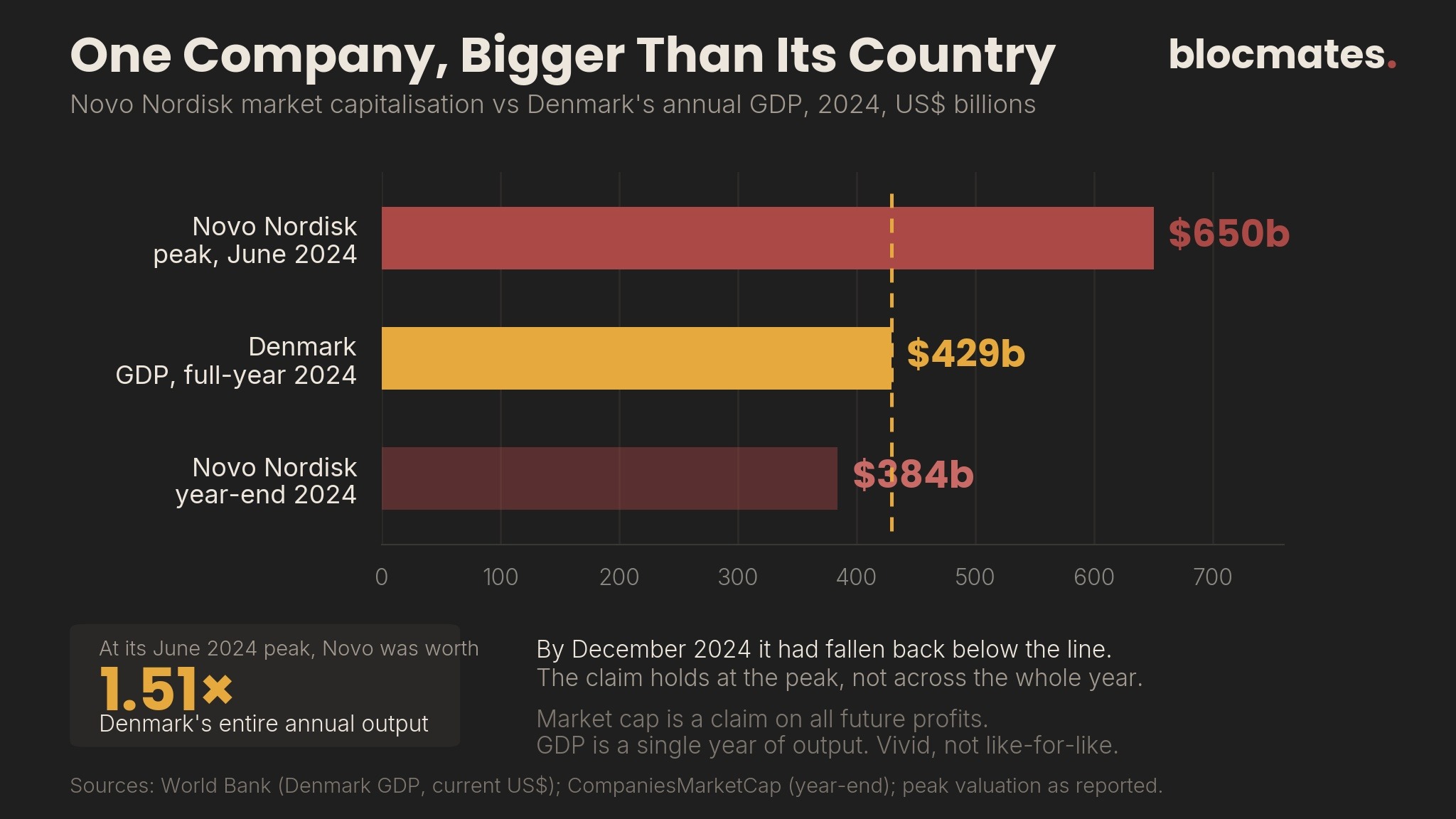
This was not magic - it took years of compounding industrial capability across breeding, animal science, physiology, pharmaceutical research, and related infrastructure to create a body of knowledge and biological material that researchers could leverage for something completely different.
Something completely different could be either positive or negative, depending on perspective. On the controversial side, there are rumors that Hedge funds are reportedly banning GLP-1s, claiming that appetite suppression affects traders’ “gut instincts,” which in turn affects their performance.
On the positive side, we are also in the early innings of findings that GLP-1s might also be able to help with addictions like alcoholism, which, frankly, we think might be another billion-dollar industry in the making.
And so, we have to ask ourselves: Is the Danish pig lore capable of changing the way we think about a company’s true valuation?
Successful, long-lasting industries and the companies that operate them can potentially recreate a different, unsuspecting value chain from a period of globally recognized efficiency in their original expertise.
For example, a decade-long commitment to exploring the possibilities of space travel by SpaceX can perhaps lead to a new form of value market, one that we may not be able to see today, beyond the reusable rockets being built.
So, when you next look into an industry, ask it a question: what could be inside you that I am not seeing?
We could even apply this to crypto; it’s been around for, say, over a decade now? Could there be a market that later spawns out of the underlying tech that hasn’t been seen before?
We could look at robotics and go - they’re not just building robots, they are building expertise in sensors, actuators, batteries, computer vision, and just so much that can be the foundation of maybe a new civilization.
We may never be able to reliably “identify” what new value markets might emerge from any meaningful, problem-solving industry, but it is a question worth asking nonetheless.
Because, if history and perhaps one day quantum computing teach us anything, it is that the value created by solving one problem can sometimes unlock an entirely different one.
And whoever writes the scripts of society is a darn good writer, as there could be nothing more humorous than pigs being somewhat responsible for de-fattening humans.
Let's be honest, AI subscriptions add up fast. One month it's ChatGPT, then Claude, then another tool everyone on TikTok swears you need.
Before you know it, you're paying for half a dozen AI apps just to keep up. We're in the same boat, which is why we've been using Plasma One.
It gives us cash back on our AI subscriptions without having to think about canceling the ones we actually use.
If you want in, sign up using the link or scan the QR code below and start getting some of that money back.
Paying for ChatGPT or Claude won't suddenly make your life cheaper. Your monthly subscriptions will still hit your bank account, but Plasma One will help route some of that money back to your pocket.












.webp)


.webp)

.png)



.webp)



.webp)
.webp)
.webp)
.webp)















.webp)

.webp)

.webp)




.webp)
.webp)




.webp)

.webp)




















.webp)
.webp)

.webp)
.webp)
.webp)


.webp)
.webp)


.webp)


.webp)




.webp)


.webp)


.webp)





















.webp)






.webp)














.webp)

.webp)
.webp)

.webp)














.webp)

.webp)

.webp)





.webp)